Introduction
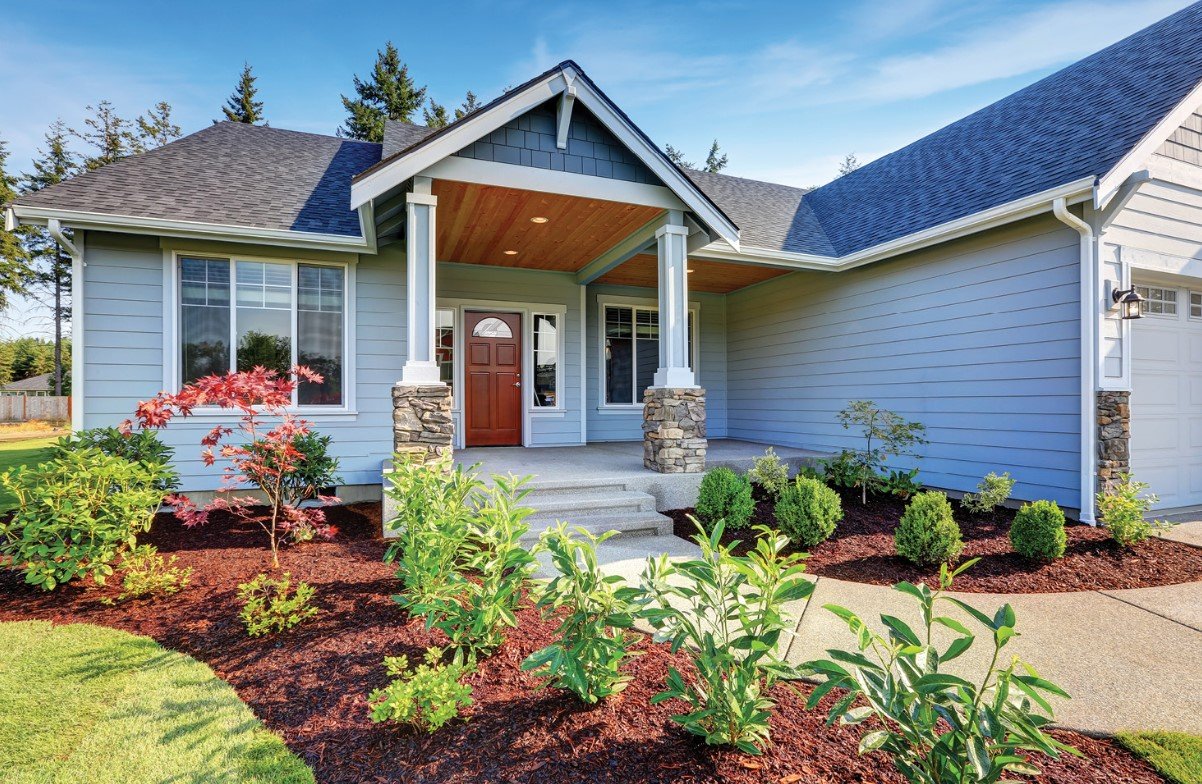
A well-designed outdoor space can completely transform the way you experience your home. Landscaping is more than just planting flowers or mowing the lawn—it’s about creating a harmonious environment that blends beauty, functionality, and sustainability. Whether you have a small backyard or a sprawling garden, smart landscaping design can elevate your property’s appeal and value while offering a peaceful retreat from everyday stress.
Understanding the Basics of Landscaping
Landscaping involves modifying the visible features of an outdoor area, including living elements like plants and trees, natural elements such as soil and terrain, and human-made structures like patios and walkways. A successful landscape design balances these components to create a visually appealing and functional outdoor space.
Before starting any landscaping project, it’s essential to assess your area. Consider the climate, soil type, sunlight exposure, and drainage conditions. These factors will determine which plants thrive and what design elements are most suitable.
Planning Your Landscape Design
A clear plan is the foundation of any successful landscaping project. Start by defining your goals. Do you want a relaxing garden, a play area for children, or an entertainment space for guests? Identifying your needs helps shape the design.
Sketch a rough layout of your yard, marking key features like existing trees, pathways, and structures. Divide the space into zones, such as seating areas, planting beds, and open lawns. This zoning approach ensures that each part of your yard serves a purpose while maintaining overall harmony.
Choosing the Right Plants
Plants are the heart of any landscape. Selecting the right plants is crucial for both aesthetics and maintenance. Opt for native plants whenever possible, as they are better adapted to local conditions and require less water and care.
Incorporate a mix of trees, shrubs, and flowers to create layers and depth. Use evergreen plants for year-round greenery and seasonal flowers for bursts of color. Pay attention to plant height, growth patterns, and spacing to avoid overcrowding.
Incorporating Hardscape Elements
Hardscaping refers to the non-living elements in your landscape design. This includes patios, pathways, retaining walls, and water features. These elements add structure and functionality to your outdoor space.
For example, a stone pathway can guide visitors through your garden, while a patio provides a comfortable area for outdoor dining. Water features like fountains or small ponds can create a calming atmosphere and serve as focal points.
Choose materials that complement your home’s architecture and blend with the natural surroundings. Consistency in design helps create a cohesive look.
Enhancing with Lighting
Outdoor lighting plays a significant role in landscaping. It not only improves safety but also highlights key features of your garden. Use pathway lights to illuminate walkways and spotlights to showcase trees or architectural elements.
Soft lighting can create a warm and inviting ambiance, making your outdoor space usable even after sunset. Solar-powered lights are an eco-friendly option that reduces energy consumption.
Sustainable Landscaping Practices
Sustainability is becoming increasingly important in landscaping. Eco-friendly practices not only benefit the environment but also reduce maintenance costs.
Consider installing a rainwater harvesting system to irrigate your plants. Use mulch to retain soil moisture and suppress weeds. Composting organic waste can enrich the soil naturally.
Drought-resistant plants and efficient irrigation systems can significantly reduce water usage. These practices ensure that your landscape remains beautiful and environmentally responsible.
Maintenance Tips for Long-Lasting Beauty
A well-maintained landscape retains its beauty and functionality over time. Regular tasks such as watering, pruning, and fertilizing are essential for plant health.
Keep your lawn trimmed and remove weeds promptly to prevent them from spreading. Seasonal maintenance, such as leaf removal in autumn and planting in spring, helps keep your garden in top condition.
Investing time in maintenance ensures that your landscaping efforts continue to pay off in the long run.
Conclusion
Landscaping is an art that combines creativity with practicality. With careful planning, the right plant selection, and thoughtful design elements, you can create an outdoor space that reflects your personality and meets your needs. Whether you’re starting from scratch or improving an existing garden, smart landscaping design can turn any outdoor area into a stunning and functional oasis.