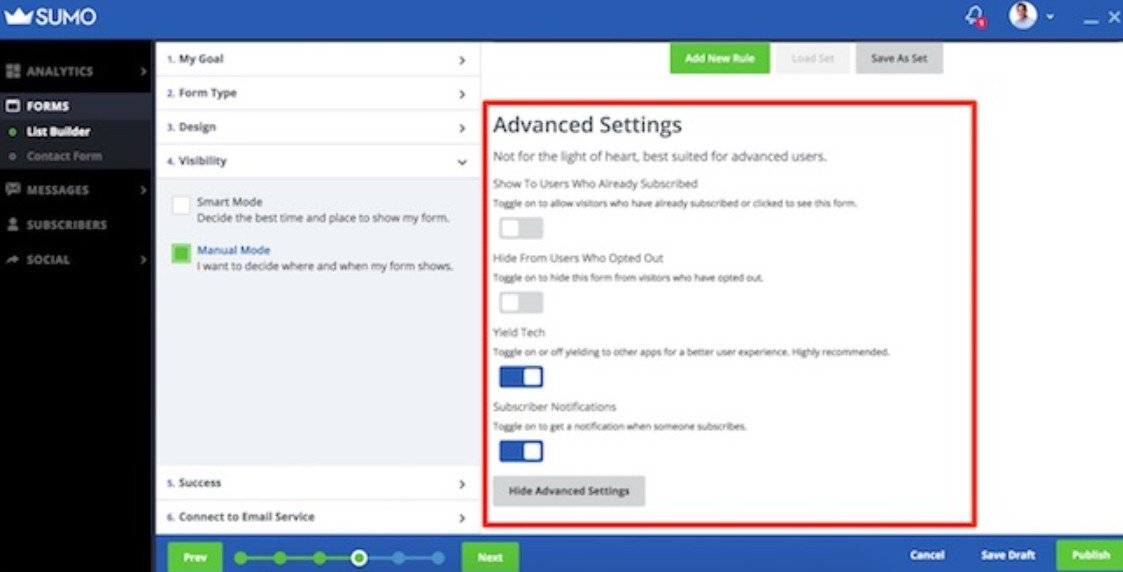
Growing an email list is one of the most critical strategies for online businesses, bloggers, and marketers. A strong list allows you to engage directly with your audience, promote products, and build lasting relationships. Among the many tools available, the Sumo list-building tool has gained recognition for its comprehensive features, ease of use, and results-driven design. This review explores its key functionalities, advantages, potential limitations, and why it may be worth integrating into your digital marketing toolkit.
What Is Sumo List-Building Tool?
Sumo is a suite of marketing tools, with its list-building component being one of the most popular. Designed to help website owners grow their email subscribers, the sumo list-building tool offers a combination of pop-ups, welcome mats, scroll boxes, and smart bars to capture visitor information effectively. Unlike generic plugins, Sumo emphasizes simplicity, analytics, and optimization to maximize conversions.
The platform works with a wide range of websites, from WordPress to Shopify and custom-built sites, making it versatile for any digital marketer looking to grow their audience.
Core Features of the Sumo List-Building Tool
When evaluating any email list tool, understanding its features is crucial. In this sumo list-building tool review, several standout functionalities make it a valuable choice:
1. Multiple Opt-In Form Types
Sumo provides various opt-in form options to capture visitor information in different ways:
- Pop-ups: Timed, exit-intent, or scroll-triggered pop-ups
- Welcome Mats: Full-screen call-to-actions appearing when a user lands on your site
- Smart Bars: Header or footer bars for subtle but effective calls-to-action
- Scroll Boxes: Embedded boxes within content that appear as users scroll
This versatility ensures that businesses can experiment with different strategies to determine what converts best for their audience.
2. A/B Testing for Optimization
One of Sumo’s most powerful features is its built-in A/B testing. Users can create multiple versions of an opt-in form and compare which performs better. This data-driven approach allows marketers to optimize their campaigns for higher conversion rates without guesswork.
3. Integration With Email Marketing Platforms
The sumo list-building tool integrates seamlessly with popular email marketing services like Mailchimp, ConvertKit, Constant Contact, and HubSpot. Once integrated, collected email addresses are automatically added to your mailing lists, saving time and ensuring smooth automation workflows.
4. Advanced Targeting Options
Targeting is crucial for effective list building. Sumo allows you to customize who sees your forms based on:
- User behavior, such as scroll depth or time spent on page
- Geographic location
- Device type (desktop, tablet, mobile)
- Referral source or specific pages
This precision ensures that your opt-in forms reach the right audience at the right time, increasing the likelihood of conversion.
5. Analytics and Reporting
Understanding how your list-building efforts perform is essential. Sumo provides detailed analytics, including:
- Conversion rates per form type
- Click-through rates
- Performance by page or campaign
- Subscriber growth trends
This data allows users to make informed decisions and continuously improve their lead generation strategies.
6. Free and Paid Versions
Sumo offers a free tier that allows beginners to start list-building without any upfront cost. The free version includes basic opt-in forms and analytics, which is perfect for small blogs or early-stage businesses. For more advanced features—such as A/B testing, advanced targeting, and integration with premium email services—the paid Pro version is available.
Benefits of Using Sumo List-Building Tool
- User-Friendly Interface: Easy drag-and-drop form builder, suitable for beginners
- Versatility: Multiple form types and targeting options for different strategies
- Integration Capabilities: Works with major email marketing platforms
- Data-Driven Optimization: Built-in A/B testing and analytics
- Scalability: Suitable for small blogs and large e-commerce sites alike
Users often report noticeable improvements in email subscriber growth within weeks of implementing Sumo, demonstrating its effectiveness.
Potential Drawbacks
While Sumo offers many advantages, there are a few limitations to consider:
- Some users find the free version limited, requiring a paid upgrade for advanced features
- High traffic websites may experience slower loading times with multiple forms
- Extensive customization options may feel overwhelming for beginners
Despite these minor drawbacks, the tool remains highly effective and worth considering for serious marketers.
Who Should Use the Sumo List-Building Tool?
Sumo is ideal for:
- Bloggers aiming to grow their audience
- E-commerce businesses looking to capture leads for promotions
- Digital marketers testing different conversion strategies
- Small businesses wanting to implement email marketing without complex setups
- Content creators building an engaged subscriber base
If growing an email list is central to your online strategy, Sumo provides a reliable and versatile solution.
Final Verdict: Is Sumo Worth It?
This sumo list-building tool review highlights that the platform offers a balance of simplicity, flexibility, and powerful features. From customizable opt-in forms to advanced targeting and analytics, Sumo helps businesses and creators grow their email lists effectively.
For beginners, the free version is an excellent starting point, while Pro users benefit from additional features designed to maximize conversions. By combining usability with robust performance, Sumo remains a top choice for anyone serious about email list building.