

A pile of old metal might look like junk to some people, but it often represents a valuable resource waiting to be reused. From outdated appliances and damaged vehicles to construction debris and industrial scrap, metal can be recycled repeatedly without losing its quality. As environmental awareness grows and industries seek sustainable solutions, metal recycling has become an essential part of modern waste management. For residents, contractors, and businesses, metal recycling Lynchburg services provide a convenient and responsible way to dispose of unwanted metal while contributing to a cleaner future.
Lynchburg’s growing economy, construction activity, and manufacturing sectors generate a significant amount of recyclable metal each year. Rather than sending these materials to landfills, recycling facilities help recover valuable resources that can be transformed into new products. This process benefits individuals, businesses, and the environment alike.
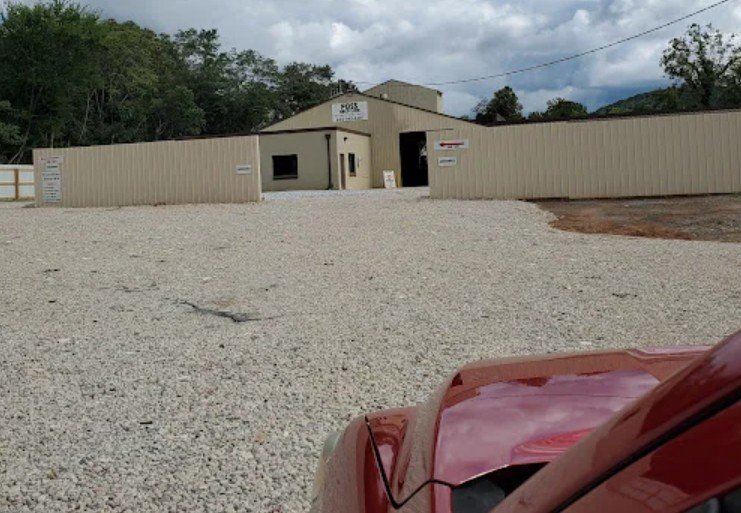
For metal recyling Lynchburg call BRC Co, Inc..
Understanding Metal Recycling
Metal recycling involves collecting, sorting, processing, and reusing metal materials that would otherwise be discarded. Unlike many materials that degrade over time, metals can be recycled repeatedly without losing their structural properties.
Common metals accepted at recycling facilities include:
- Aluminum
- Copper
- Brass
- Steel
- Iron
- Stainless steel
- Lead
- Zinc
These materials can come from a variety of sources, including household items, vehicles, machinery, construction sites, and industrial operations.
The growing demand for metal recycling Lynchburg services reflects the increasing recognition of recycling as both an environmental necessity and an economic opportunity.
Why Metal Recycling Matters
Recycling metal offers numerous benefits that extend beyond simply reducing waste.
Conserving Natural Resources
Mining and processing raw metals require significant amounts of energy and natural resources. Recycling existing metal reduces the need for new mining operations and preserves valuable resources for future generations.
Reducing Landfill Waste
Metal items take up valuable space in landfills and may remain there for decades or even centuries. Recycling keeps these materials in circulation and out of waste disposal sites.
Lowering Energy Consumption
Producing metal products from recycled materials generally requires far less energy than manufacturing them from raw ore. This reduction in energy use helps decrease greenhouse gas emissions.
Supporting Local Economies
The recycling industry creates jobs in collection, transportation, processing, and manufacturing. Many individuals and businesses also earn money by selling scrap metal to recycling facilities.
Common Sources of Recyclable Metal
Many people are surprised by the amount of recyclable metal they encounter in everyday life.
Household Appliances
Old refrigerators, washing machines, dryers, ovens, and microwaves often contain valuable metals that can be recovered and reused.
Automotive Parts
Cars contain substantial amounts of steel, aluminum, copper, and other metals. Damaged vehicles and used auto parts are common recycling materials.
Construction Materials
Construction and demolition projects generate significant quantities of recyclable metal, including:
- Steel beams
- Copper wiring
- Aluminum siding
- Metal roofing
- Pipes and fittings
Electronics
Computers, televisions, and other electronic devices contain valuable metals that can often be extracted and recycled.
Industrial Equipment
Manufacturing facilities frequently recycle machinery, metal components, and production scrap.
The availability of these materials contributes to the continued growth of metal recycling Lynchburg operations.
The Metal Recycling Process
Many people drop off scrap metal without realizing what happens afterward. The recycling process involves several important steps.
Collection
Metal materials are gathered from homes, businesses, construction sites, and industrial facilities.
Sorting
Different metals must be separated because each type has unique properties and recycling requirements.
Processing
Recyclable metals are cleaned, shredded, crushed, or compacted to prepare them for melting.
Melting and Refining
The processed metal is melted in specialized furnaces and purified to remove contaminants.
Manufacturing
The recycled metal is then used to create new products, ranging from beverage cans to automobiles and building materials.
This efficient cycle helps ensure that valuable resources remain in use rather than becoming waste.
Financial Benefits of Metal Recycling
One of the reasons metal recycling Lynchburg remains popular is the potential financial return.
Certain metals have significant market value, particularly:
Copper
Copper is one of the most valuable recyclable metals due to its widespread use in electrical systems and construction.
Aluminum
Aluminum is lightweight, durable, and highly recyclable, making it a valuable commodity.
Brass
Found in plumbing fixtures and decorative hardware, brass often commands attractive recycling prices.
Stainless Steel
This corrosion-resistant metal is commonly recycled from appliances, industrial equipment, and construction projects.
While prices fluctuate based on market demand, recycling metal can provide individuals and businesses with an additional source of income.
Environmental Advantages of Recycling Metal
The environmental impact of metal recycling is substantial.
Reduced Carbon Emissions
Manufacturing products from recycled metal generally produces fewer emissions than creating them from newly mined materials.
Lower Water Consumption
Mining and refining raw metal often require large amounts of water. Recycling significantly reduces this demand.
Habitat Preservation
Reduced mining activity helps protect ecosystems, wildlife habitats, and natural landscapes.
Sustainable Manufacturing
Recycled metals support sustainable production practices by providing manufacturers with reliable raw materials while reducing environmental impact.
These advantages make metal recycling an important part of broader sustainability efforts.
Tips for Maximizing Scrap Metal Value
Individuals looking to recycle metal can take several steps to increase the value of their materials.
Separate Different Metals
Sorting metals before delivery often results in better pricing.
Remove Non-Metal Components
Removing plastic, wood, or other non-metal materials can improve the quality and value of scrap metal.
Store Materials Properly
Keeping metal clean and dry helps prevent contamination and corrosion.
Understand Market Conditions
Scrap metal prices can vary based on supply, demand, and global economic conditions.
These simple practices can help recyclers maximize both convenience and profitability.
Choosing a Reliable Metal Recycling Facility
Selecting the right recycling partner is important for ensuring a positive experience.
When evaluating metal recycling Lynchburg providers, consider:
- Fair and transparent pricing
- Convenient location
- Variety of accepted materials
- Efficient customer service
- Proper environmental compliance
- Positive customer reviews
A reputable facility will provide accurate weight measurements, clear pricing policies, and responsible recycling practices.
Conclusion
Metal recycling plays a vital role in conserving resources, reducing waste, supporting local economies, and protecting the environment. Whether it involves household appliances, construction materials, industrial scrap, or automotive components, recycling metal transforms discarded items into valuable resources that can be used again and again.
For homeowners, contractors, manufacturers, and businesses, metal recycling Lynchburg offers a practical solution for managing unwanted materials while contributing to a more sustainable future. By choosing recycling over disposal, individuals help reduce environmental impact, conserve natural resources, and support an industry that benefits both the community and the planet.
