

Maintaining a safe healthcare environment requires careful planning, consistent procedures, and cooperation among different teams. Hospitals, clinics, diagnostic laboratories, and dental practices handle numerous activities every day, many of which involve materials that require special attention. A clean and organized facility not only supports patient confidence but also helps healthcare professionals perform their responsibilities more effectively.
Infection prevention is particularly important in places where patients receive treatment, undergo medical procedures, or have diagnostic tests. Even small mistakes in cleaning routines or material handling can create unnecessary risks. For this reason, healthcare administrators should establish practical systems that make safety an everyday priority.
Understanding the Importance of Infection Prevention
Healthcare-associated infections can affect patients, employees, and visitors. These infections may develop when harmful microorganisms spread through contaminated surfaces, improperly handled equipment, or inadequate hygiene practices.
Preventing these problems requires more than occasional cleaning. Healthcare facilities need consistent sanitation schedules, appropriate protective equipment, and clear instructions for employees. Staff members should understand how infections spread and which precautions are necessary for their specific responsibilities.
Regular training also helps employees recognize potential hazards before they become serious problems. When everyone follows the same procedures, maintaining a safer environment becomes easier.
Creating Effective Cleaning and Sanitation Routines
Different areas of a healthcare facility have different cleaning requirements. Patient rooms, examination spaces, operating areas, waiting rooms, and laboratories may require specific cleaning products and procedures.
High-touch surfaces deserve particular attention because they are frequently handled by patients and employees. Door handles, bed rails, countertops, switches, and shared equipment should be cleaned according to established schedules.
Cleaning personnel should receive appropriate training about disinfectant selection, application instructions, and contact times. Using the wrong product or failing to follow manufacturer instructions can reduce the effectiveness of sanitation procedures. Looking for Charlottesville medical waste disposal contct 1st Choice MedWaste.
Facilities should also maintain cleaning records to monitor completed tasks and identify areas that need additional attention.
Managing Potentially Hazardous Materials Responsibly
Healthcare environments generate many materials that require different handling procedures. Some are ordinary waste, while others may contain infectious substances, sharp objects, pharmaceutical residues, or chemicals.
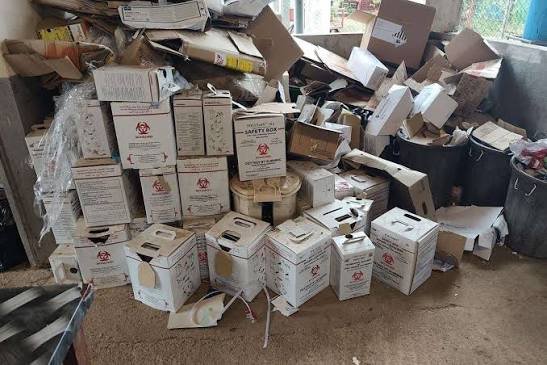
A properly organized medical waste management system helps healthcare facilities separate these materials, arrange safe collection, and ensure appropriate treatment and disposal. The process should begin where the materials are generated, making it easier to prevent accidental mixing.
Clearly labeled containers can help employees identify the correct disposal locations. Sharps containers should be puncture-resistant and replaced according to safety guidelines before becoming overfilled.
Healthcare administrators should also work with qualified disposal providers that understand applicable regulations and can supply the necessary collection and treatment documentation.
Encouraging Better Hand Hygiene
Hand hygiene remains one of the most practical ways to reduce the spread of infections in healthcare settings. Employees regularly interact with patients, equipment, and different surfaces, making proper hand cleaning essential.
Handwashing facilities and alcohol-based hand rubs should be conveniently available in appropriate locations. Staff members should follow recommended hand hygiene procedures before and after relevant patient interactions.
Hospitals can encourage better habits through visual reminders, staff education, and periodic compliance reviews. These small measures can strengthen infection prevention throughout the organization.
Providing Appropriate Protective Equipment
Personal protective equipment helps reduce exposure to infectious materials and other workplace hazards. Depending on their responsibilities, healthcare employees may need gloves, masks, gowns, face shields, or protective eyewear.
However, simply providing equipment is not enough. Workers must understand when particular items are required and how to put them on, remove them, and dispose of them safely.
Incorrect removal procedures can cause contamination even when protective equipment has been used. Practical demonstrations and refresher training can help employees develop safer habits.
Improving Staff Training and Communication
Strong communication is essential for maintaining healthcare safety. Employees should know how to report spills, damaged containers, equipment problems, and other unexpected incidents.
Managers can organize regular training sessions to review workplace procedures and discuss common safety challenges. New employees should receive appropriate orientation before beginning tasks involving potentially hazardous materials.
Written instructions should be easy to understand and available in relevant working areas. Encouraging employees to ask questions also helps prevent misunderstandings.
Building a Safer Healthcare Environment for the Future
Healthcare safety depends on consistent attention rather than isolated improvements. Facilities that invest in staff education, sanitation procedures, responsible material handling, and regular inspections are better positioned to maintain organized working environments.
Administrators should periodically evaluate existing systems and make improvements whenever new risks or operational challenges are identified.
By combining effective infection prevention with responsible facility management, healthcare organizations can create cleaner surroundings, protect their employees, and provide patients with a safer and more dependable experience.
