

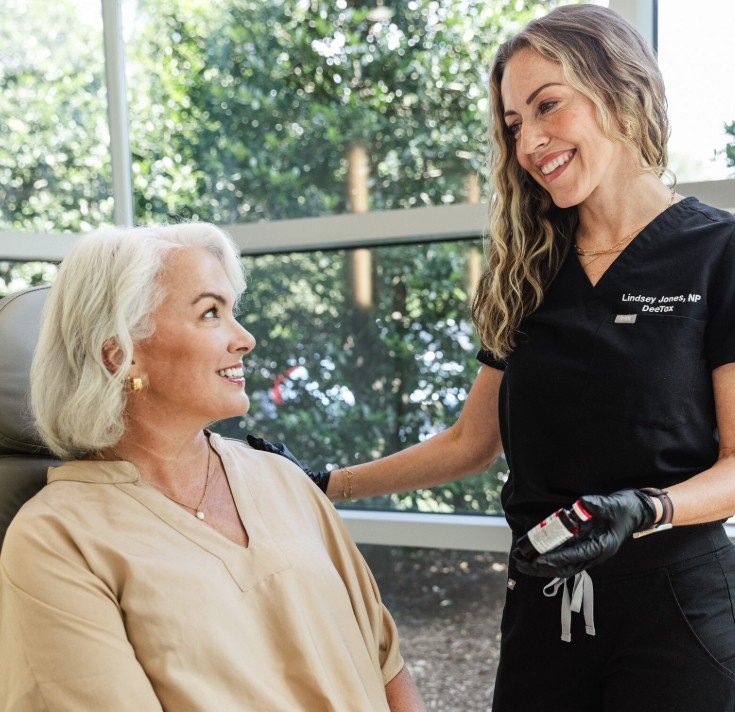
Hormones play a vital role in the body, influencing everything from energy levels and mood to metabolism, sleep, and overall well-being. As people age, hormonal changes can sometimes lead to uncomfortable symptoms that affect daily life. For many individuals, hormone therapy has become a valuable option to help restore balance and improve quality of life. If you are searching for hormone therapy Lynchburg, understanding how these treatments work and what benefits they may offer can help you make informed decisions about your health.
For hormone therapy Lynchburg contact Widmyer Optiimal Wellness.
What Is Hormone Therapy?
Hormone therapy is a medical treatment designed to balance hormone levels in the body. It involves using carefully prescribed hormones to address deficiencies or changes caused by aging, medical conditions, or other factors. The goal is not simply to increase hormone levels but to restore them to a healthier range that supports the body’s natural functions.
Hormone therapy may involve different types of hormones, including estrogen, progesterone, testosterone, or other hormone-related treatments. A qualified healthcare provider evaluates symptoms, medical history, and lab results before recommending a personalized treatment plan.
Why People Consider Hormone Therapy in Lynchburg
Many residents looking for hormone therapy Lynchburg are experiencing symptoms related to hormonal changes. These symptoms can vary widely depending on age, gender, lifestyle, and individual health factors.
Common reasons people explore hormone therapy include:
- Persistent fatigue or low energy
- Mood changes or increased irritability
- Difficulty sleeping
- Reduced concentration or mental fog
- Hot flashes and night sweats
- Changes in weight or metabolism
- Decreased muscle strength
- Reduced sexual wellness
- Changes associated with menopause or andropause
When hormones are not properly balanced, these issues may affect both physical and emotional health. Hormone therapy can be one approach used by healthcare professionals to help manage these concerns.
Hormone Therapy for Women
Women commonly explore hormone therapy during stages of life when hormone levels naturally shift. Menopause is one of the most common reasons women seek treatment. During menopause, estrogen and progesterone levels decrease, which can cause uncomfortable symptoms.
Hormone therapy may help some women manage:
- Hot flashes
- Vaginal dryness
- Sleep difficulties
- Mood fluctuations
- Bone health concerns
- Certain menopause-related symptoms
However, hormone therapy is not the right choice for everyone. A healthcare provider will consider factors such as age, health history, family history, and personal risk factors before recommending treatment.
Hormone Therapy for Men
Men also experience hormonal changes as they age. Testosterone levels can gradually decline, sometimes leading to symptoms that impact quality of life.
Men considering hormone therapy may be dealing with:
- Low energy
- Reduced motivation
- Decreased muscle mass
- Changes in mood
- Lower libido
- Difficulty maintaining physical performance
Testosterone therapy, when appropriate, is typically based on symptoms and confirmed hormone levels. Regular monitoring is important to ensure treatment remains safe and effective.
The Importance of Personalized Treatment
One of the most important aspects of hormone therapy is personalization. Every person’s body responds differently, and hormone levels can vary significantly from one individual to another.
A professional hormone therapy provider typically begins with:
- A detailed health evaluation
- Discussion of symptoms and concerns
- Laboratory testing
- Review of medical history
- Creation of a customized treatment plan
This approach helps ensure that treatment is designed around the individual rather than using a one-size-fits-all method.
Different Types of Hormone Therapy
Hormone therapy can be delivered in several ways depending on the type of hormone and the patient’s needs. Common methods may include:
- Oral medications
- Creams or gels
- Patches
- Injections
- Other physician-recommended options
Each method has advantages and considerations. A healthcare professional can help determine which option aligns best with a person’s goals and lifestyle.
Benefits of Hormone Therapy
When properly prescribed and monitored, hormone therapy may provide several potential benefits. Many patients report improvements in areas such as energy, mood, sleep, and overall wellness.
Possible benefits include:
- Better management of hormone-related symptoms
- Improved daily comfort
- Increased energy levels
- Enhanced emotional balance
- Support for healthy aging
- Improved quality of life
It is important to remember that results vary, and treatment outcomes depend on many factors, including overall health and consistency with medical guidance.
Choosing a Hormone Therapy Provider in Lynchburg
Finding the right provider is an important step when considering hormone therapy. A trusted healthcare professional should take time to understand your concerns, explain available options, and monitor your progress.
When choosing a hormone therapy provider, consider:
- Experience with hormone treatments
- Personalized care approach
- Clear communication
- Proper medical evaluation
- Ongoing follow-up support
A good provider focuses on long-term wellness rather than quick solutions.
Is Hormone Therapy Right for You?
Hormone therapy may be helpful for some people, but it is not suitable for everyone. Certain health conditions or risk factors may affect whether hormone therapy is recommended.
The best way to determine if treatment is appropriate is to speak with a qualified healthcare professional. They can evaluate your symptoms, review your health history, and discuss potential benefits and risks.
Conclusion
Hormonal changes are a natural part of life, but they do not have to negatively impact your daily routine. For individuals seeking hormone therapy Lynchburg, personalized treatment options may help address hormone-related symptoms and support overall wellness.
With proper evaluation, professional guidance, and ongoing monitoring, hormone therapy can be an important tool for improving comfort, confidence, and quality of life. The first step is understanding your body and working with a healthcare provider who can create a plan designed for your specific needs.
